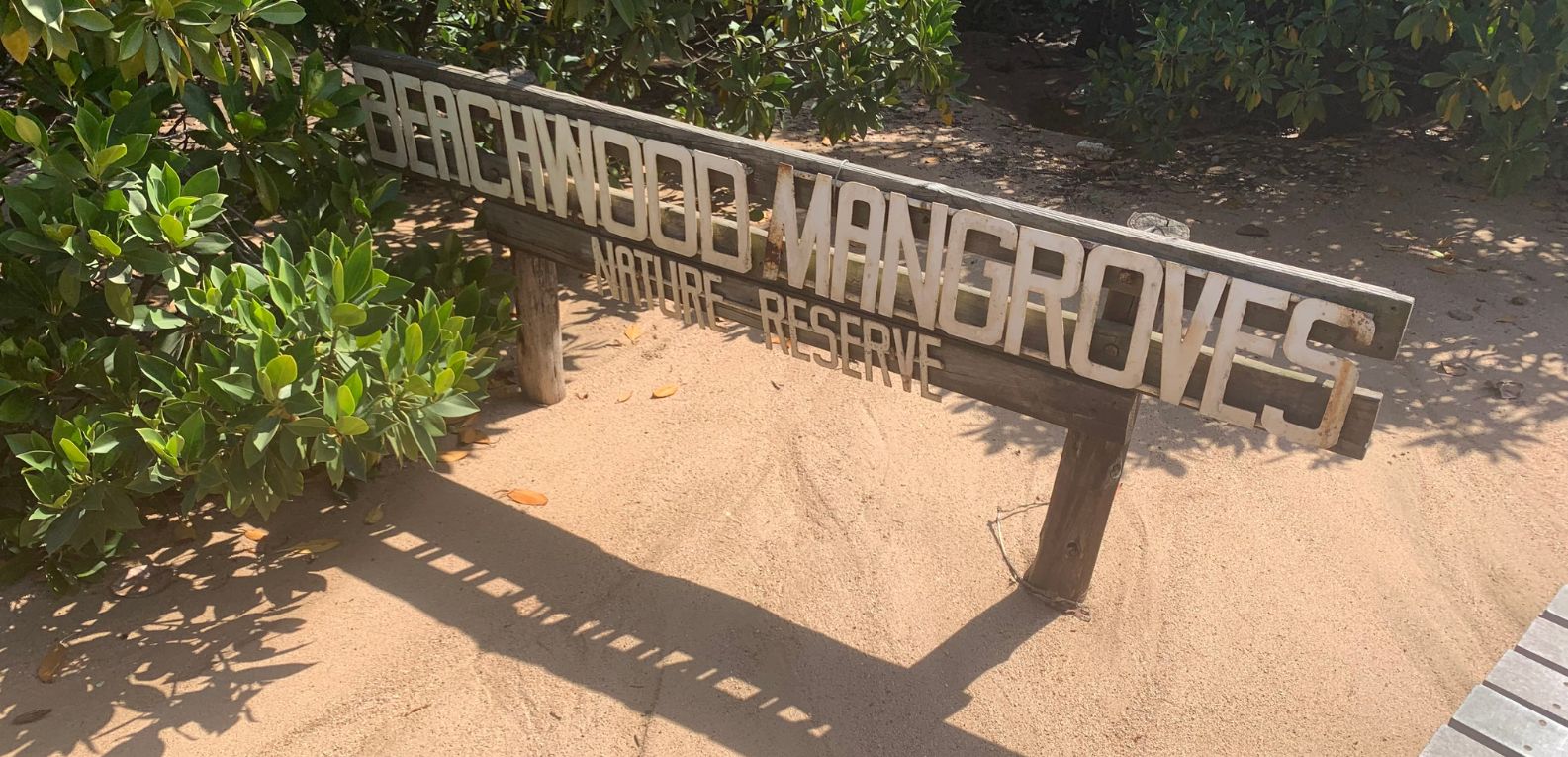
MANGROVES
Mangroves
Mangrove forests are indispensable to the health of our planet’s ecosystems and biodiversity. These unique coastal habitats, with their salt-tolerant trees and intricate root systems, create crucial breeding and nursery grounds for a diverse array of marine species, including fish, crustaceans, and mollusks. This rich biodiversity fosters robust marine ecosystems and enhances ocean health. Additionally, mangroves play a significant role in regulating the global climate by sequestering carbon dioxide, thus mitigating climate change. Their ability to filter pollutants and stabilize coastal sediments further supports the overall health of the biosphere. Protecting mangrove forests is essential for maintaining these vital ecological functions and preserving the intricate balance of marine and coastal environments.
There are approximately 70 species of mangrove trees and shrubs distributed across the world’s tropical and subtropical regions. These species belong to several families, with the most prominent being the Rhizophoraceae (including red mangroves), Avicenniaceae (including black mangroves), and Combretaceae (including white mangroves).
SAVING THE BEACHWOOD MANGROVES - DURBAN SOUTH AFRICA
Mangroves
In 2022 I was involved in a project called SAVING THE BEACHWOOD MANGROVES. A project organized by Oceans Alive Conservation Trust.
Extreme high seas during August and September 2022 caused severe damage to the beaches and the coastal sand dunes all along the Kwa-Zulu Natal coastline, and in particular, in and around the area of the Umgeni River Estuary, and the Beachwood Mangrove Forest Reserve, just north of Durban, South Africa.
The Beachwood mangroves and the marine wildlife within the reserve are completely reliant on the intertidal exchange of seawater and the accompanying nutrients for survival.
The coastal sand dunes were severely eroded and disrupted by the extreme high seas, and the sand dunes in this specific area were completely washed over and the sand was pushed into the riverine estuary and into the mangrove forest area, effectively obstructing the interconnecting Beachwood Mangrove Creek and completely cutting it off from the river and from the ocean and from the critically necessary tidal exchange.
Ezemvelo KZN Wildlife and the KZN Department of Economic Development, Tourism and Environmental Affairs (EDTEA), and the eThekwini Council were all concerned about the situation, and they called on the South African Association for Marine and Biological Research (SAAMBR), and the Oceanographic Research Institute (ORI), and the CSIR for an urgent professional environmental evaluation, to understand the seriousness of the situation and to advise on possible strategies and solutions.
SAAMBR, ORI and CSIR confirmed that without the critical link to the ocean and the necessary tidal exchange, the mangroves and the wildlife living in the mangrove forest were suffering heavily and were in the process of dying.
More than one in six mangrove species worldwide are in danger of extinction as a result of a number of factors, including coastal development, over population, plastic pollution, untreated sewage, toxic chemicals, climate change, logging and agriculture, to name a few.
We have already lost over half of the world’s original mangrove forest areas, estimated at 32 million hectares (approx. 80 million acres).
Oceans Alive Conservation Trust were invited to join the team to also make an assessment of the situation.
The enormous amount of sand which needed to be excavated in order to dig the predetermined channels to re-connect the Beachwood Mangrove Creek to the riverine estuary, and ultimately to the ocean, and then also attempt to move the excavated sand and re-build the dune barrier, seemed like a massively expensive exercise and an almost impossible task.
Oceans Alive Conservation Trust to the Teichmann Group for urgent assistance was received with enthusiasm, generosity and tremendous grace, and on visiting the site, without hesitation, they agreed to assist us with the huge heavy-duty earth moving excavator which was essential to take on this massive operation successfully.
Morgado Plant Hire also responded graciously with lowbed transport assistance, and transport permits, and with a huge front-end loader which would move the excavated sand away from the channels and attempt to re-build the sand dune barrier to try and protect the mangroves from future rough seas.
All parties were briefed, the strategy was agreed, the necessary environmental permits were arranged, and the huge earth moving machines were moved onto the beach at the Virginia Airport access point, with the help and the very kind assistance of eThekwini Parks, who had to trim some large overhanging trees on the access road so that the massive machines could reach the beach entry point.
The machines were driven the 4.5 km south on the beach to the river estuary site where everyone started working together with our Oceans Alive and Adopt-a-River teams, and our supervisory support network, to intervene and reopen, and reconnect the Beachwood Mangrove Creek to the estuary and the ocean, as a matter of extreme urgency to prevent further irreversible damage and loss.
With everyone working together, it took a monumental effort and only 5 dedicated days for the teams to re-connect the Beachwood Mangrove Creek to the riverine estuary, and ultimately to the ocean, to return the natural flow of water to and from the ocean and restore the tidal exchange, and ultimately 'Save the Beachwood Mangroves'.
The project was a huge success, thanks to everyone who came together, 'stronger together' to make this possible.
To get involved and to donate to the Oceans Alive Conservation Trust - Conservation Projects you can e-mail me on petro@oceans-alive.org.
Petro Diamant
Conservation Projects and Fundraising Executive
petro@oceans-alive.org
www.oceans-alive.org